


Developing a pan European brand purpose strategy
Brand and Communications
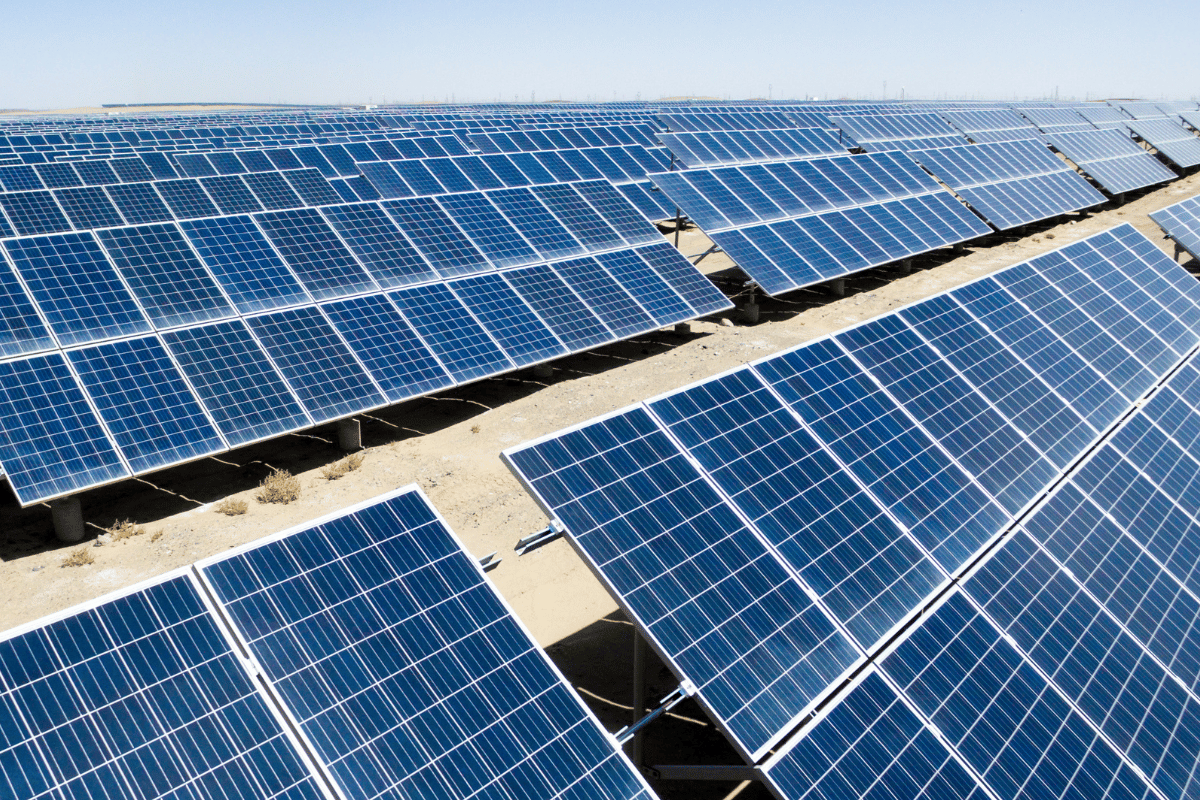
The Secure Energy Project wanted to better understand how Nigerians viewed the country’s energy transition, at an important time for solar power. A proposed ban on imported solar equipment could have impacted access to affordable solar energy, while there was also a need to support stronger domestic supply chains without slowing down the transition to cleaner and more reliable power.
The research needed to understand who could help influence change, how Nigerians felt about solar adoption and the proposed ban, and which messages would be most effective in supporting the campaign and political engagement.
Opinium conducted a 15-minute quantitative study with 1,800 adults across Nigeria, using a nationally representative sample by age and gender, with soft regional quotas.
We explored Nigerians’ experiences with power outages, their views on the energy transition and attitudes towards adopting solar panels. We also used MaxDiff and TURF analysis to understand which messages resonated most strongly and which combination could reach the widest range of people.
This research helped us identify which messages to prioritise, the audiences to target and how best to communicate with them. We also explored which voices and communication channels Nigerians found most credible, helping to inform the wider campaign strategy.
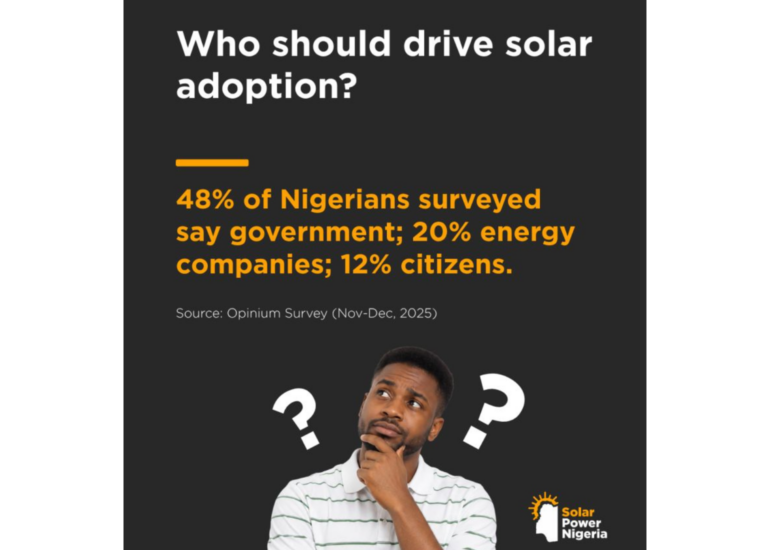

The research gave the Secure Energy Project evidence to strengthen its campaign around solar energy in Nigeria, helping to shape messaging, audience targeting and wider advocacy strategy.
The findings showed strong openness towards solar, with reliable access to power and protection from blackouts emerging as some of the strongest reasons for encouraging adoption.
In October 2026, the project team shared that the research had helped contribute to the wider efforts that successfully blocked the proposed ban on solar panel imports in Nigeria. A great example of research being used to understand public opinion, develop clear messaging and driving real policy and social change.
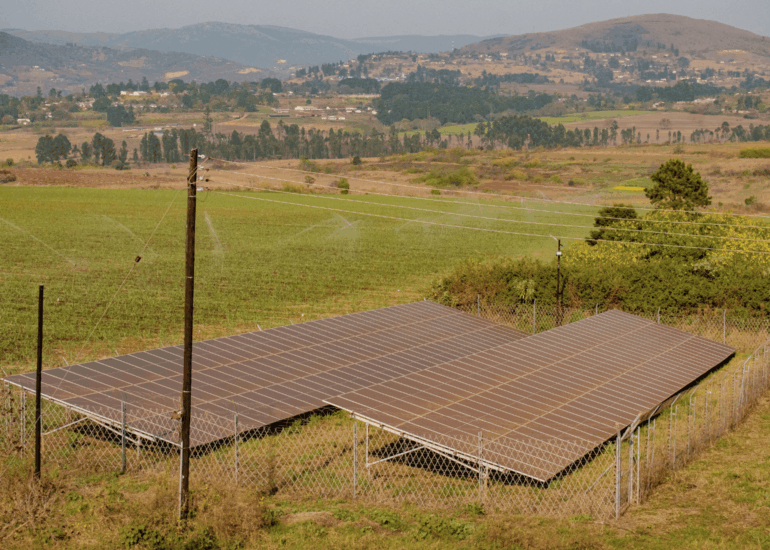
The work in Nigeria, now called Solar Power Nigeria, has progressed really well since we launched in February. Your research formed a key part of the evidence base we used to engage both the government and key solar industry stakeholders in Nigeria. The evidence we built ultimately convinced stakeholders that Nigeria needed to move away from its proposed ban on solar panel imports. This culminated in our major campaign win last Friday, marked by an official announcement from the Ministry that had originally proposed the ban.


